Anthem specializes in the development and production of biosimilars using cutting-edge technologies across various expression systems. These biologics are tailored to meet diverse therapeutic and industrial needs, ensuring high-quality, scalable and cost-effective solutions.
Lactobacillus spp.
Lactobacillus species are among the most common probiotics, including strains like L. acidophilus, L. paracasei, L. casei, L. bulgaricus and L. rhamnosus. Anthem offers custom-scalable biomass generation of these strains for probiotic applications.
Bifidobacterium spp.
Bifidobacterium species, such as B. longum, B. breve and B. lactis, are widely recognized for their beneficial effects on gut health and immune function.
Bacillus spp.
Bacillus subtilis, Bacillus coagulans, and Bacillus clausii are spore-forming bacteria with probiotic potential, antimicrobial properties and industrial applications in enzyme production.
E. coli
E. coli is a popular host for genetic manipulation and protein expression, particularly for products not requiring post-translational modifications. Anthem has extensive expertise in producing protein-based biologics using genetically modified E. coli strains.
Bacterial Fermentation
Streptomyces spp.
Known as a “gold mine” for bioactive molecules, Streptomyces contributes to the production of antibiotics (e.g., rifamycins, tetracyclines), enzymes (lipases, cellulases), pigments, bioemulsifiers and antidiabetic agents like acarbose.
Actinoplanes spp.
This genus is known for plant growth promotion and enzymatic removal of hemotoxic groups during the production of micafungin, an anti-candida drug.
Filamentous Bacterial Fermentation
Aspergillus spp.
Species like A. fumigatus, A. niger, and A. oryzae produce industrially relevant enzymes (e.g., cellulases) and acids used in bioconversion processes.
Trichoderma spp.
Trichoderma reesei is renowned for its high cellulase production, making it a “biotechnological workhorse” for industrial applications.
Fungal Fermentation
Saccharomyces cerevisiae
This yeast is widely used in food fermentation, industrial processes and fundamental research due to its long history of safe use (GRAS status).
Pichia pastoris
A methylotrophic yeast ideal for heterologous protein production with high yields and minimal host protein secretion.
Yeast Fermentation
Mechanism of Action
Anthem’s mammalian cell platform is optimized for producing therapeutic proteins such as monoclonal antibodies, enzymes, hormones and vaccines.
Capabilities
Proprietary signal peptides enhance protein expression.
Single-cell cloning techniques enable precise cell line development.
NSO Cell Line
Used for specialized biologic production requiring advanced glycosylation patterns.
Mammalian Cells
Plant Cells
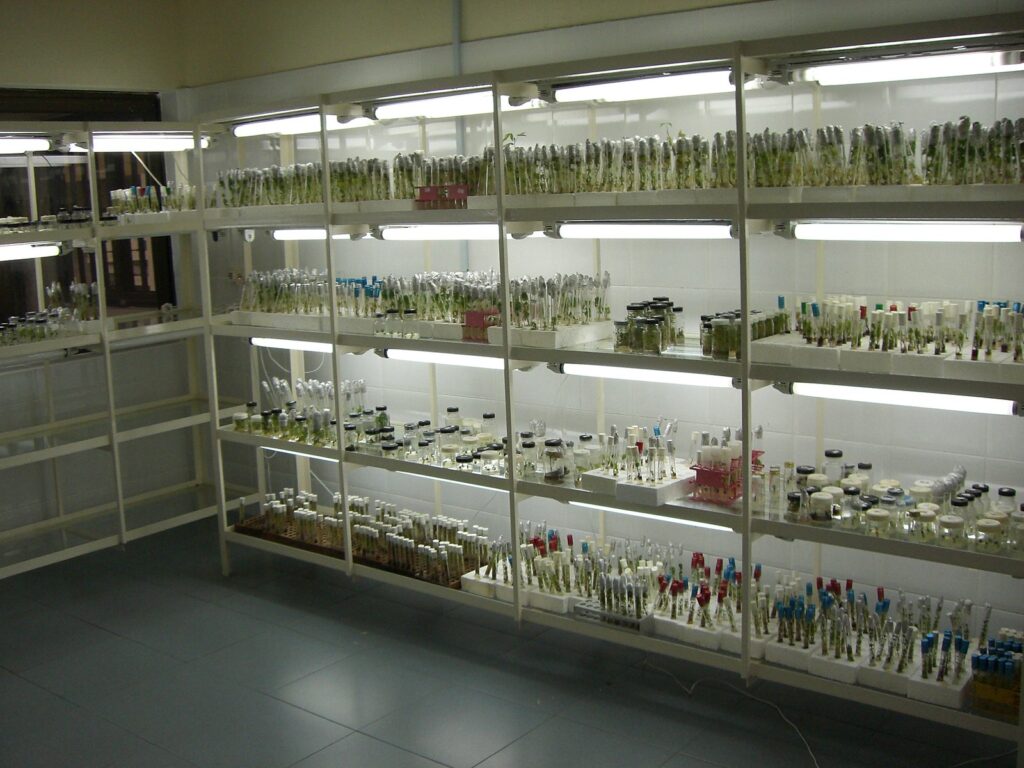
Plant-based systems offer unique advantages in biologic production, including rapid scalability, low contamination risks, and the ability to incorporate post-translational modifications necessary for therapeutic efficacy.