




Cell Line Development

  1. Home
  2. »
  3. Cell Line Development

Foundation for Efficient and Scalable Biologics Production

Cell line development (CLD) is a critical step in the development of biologics, shaping the efficiency, yield and quality of therapeutic proteins and antibodies.

Mammalian Cell Lines

Chinese Hamster Ovary (CHO) cells are the industry gold standard for producing complex glycosylated proteins, including monoclonal antibodies and fusion proteins. Other mammalian hosts include HEK293, NS0 and Sp2/0 cells, selected based on product requirements. These cells are adapted for suspension culture and high-density growth to maximize productivity.

Microbial Cell Lines

Microbial hosts such as E. coli, Bacillus subtilis and yeasts (Pichia pastoris, Saccharomyces cerevisiae) offer rapid growth and cost-effective production for simpler proteins and enzymes. Anthem supports both microbial and mammalian platforms to provide flexible solutions.

Key Stages in Cell Line Development

Gene Integration & Transfection

Stable incorporation of the gene of interest into the host genome using random or targeted integration methods, including transposase technology.

Screening & Selection

High-throughput screening identifies clones with optimal expression levels, growth characteristics and product quality.

Single-Cell Cloning & Stability Assessment

Ensuring monoclonality through advanced cloning techniques and verifying genetic and expression stability over multiple passages to guarantee consistent manufacturing performance.

Design of Experiments (DoE)

Systematic optimization of culture conditions and expression parameters to enhance yield and quality.
Genetic Engineering Tools

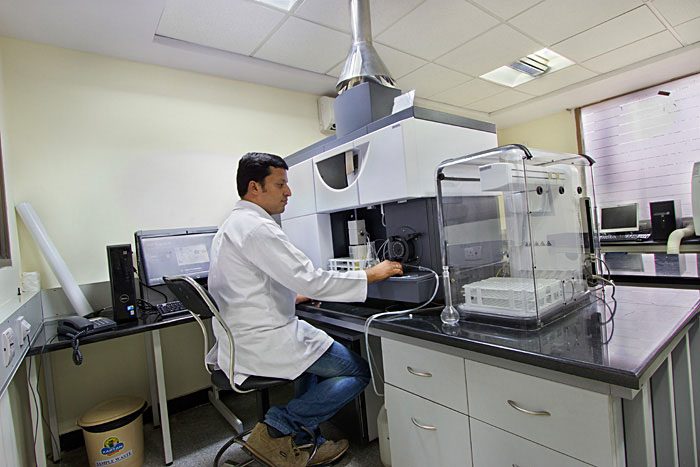
Use of CRISPR/Cas9 and other gene-editing technologies to improve host cell lines for productivity and product quality.
Single-Cell Sorting & Imaging

Platforms like Beacon® and C.SIGHT™ enable rapid isolation and real-time monitoring of single cells, accelerating clone selection and reducing timelines.

Quality, Scalability & Regulatory Compliance

1

Monoclonality Assurance

Adherence to regulatory expectations by establishing and documenting monoclonality to ensure product consistency.

2

Scale-Up Strategies

Seamless transition from lab-scale cultures to commercial bioreactors (up to 30,000 L), maintaining product quality and process robustness.

3

Regulatory Support

Comprehensive documentation and quality control to support IND, BLA and global regulatory submissions.