


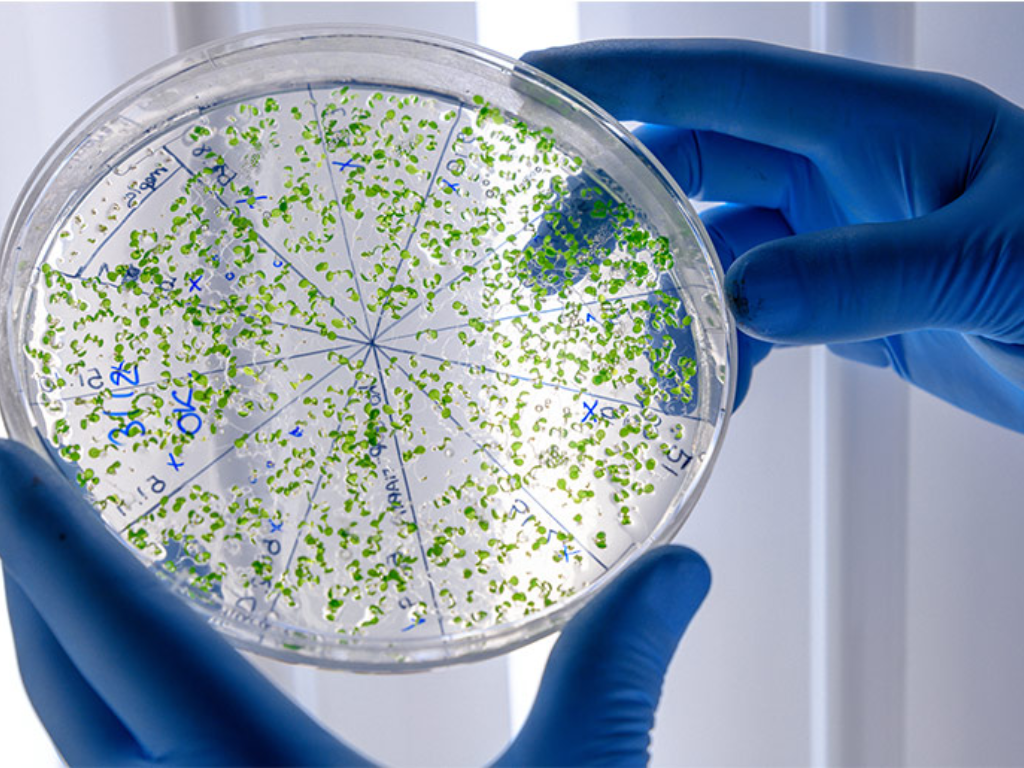


Single-Cell Cloning & Stability Assessment
Ensuring monoclonality through advanced cloning techniques and verifying genetic and expression stability over multiple passages to guarantee consistent manufacturing performance.

Screening & Selection
High-throughput screening identifies clones with optimal expression levels, growth characteristics and product quality.

Gene Integration & Transfection
Stable incorporation of the gene of interest into the host genome using random or targeted integration methods, including transposase technology.

Monoclonality Assurance
Adherence to regulatory expectations by establishing and documenting monoclonality to ensure product consistency.

Scale-Up Strategies
Seamless transition from lab-scale cultures to commercial bioreactors (up to 30,000 L), maintaining product quality and process robustness.

Regulatory Support
Comprehensive documentation and quality control to support IND, BLA and global regulatory submissions.